Did you know that air leakage can account for up to 40% of your home's heating and cooling load? In our humid Charlotte climate, this invisible waste is like leaving a window open while your HVAC works overtime. Many homeowners struggle with uneven room temperatures and rising utility costs, but the solution lies in professional home thermal envelope improvements. By addressing the gaps where air escapes and heat enters, you can finally reclaim control over your personal environment.
You likely feel that it's time for a change when you notice drafts or find attic dust settling on your furniture. We'll show you how to master your home's thermal envelope to eliminate those cold spots and slash your energy bills. You'll learn why fiberglass blown-in insulation is the superior, cleaner alternative to messy cellulose or chemical-heavy options. We will also walk through the 2024 North Carolina building code requirements and how to take advantage of federal tax credits before they expire on December 31, 2025. This methodical approach ensures your home remains a sanctuary of health and comfort for years to come.
Key Takeaways
- Understand how the "Stack Effect" moves air through your home and why a continuous barrier is essential for lasting comfort and efficiency.
- Learn why home thermal envelope improvements must begin with meticulous air sealing to stop heat from escaping through invisible gaps in your attic floor.
- Discover why fiberglass blown-in insulation is the superior, cleaner choice over cellulose for achieving 100% gap-free coverage that won't settle.
- Identify the specific R-value targets required for the Charlotte climate to maximize your utility savings and meet modern building standards.
- Find out how a professional, step-by-step installation protects your indoor air quality by keeping attic dust and allergens out of your living space.
What is a Home Thermal Envelope and Why Does it Matter?
The thermal envelope is the physical separator between the conditioned and unconditioned environment of a building. Think of it as a protective shell that wraps around your living space. If you have ever asked, What is a building envelope?, it is essentially the boundary that keeps your expensive air conditioning inside while holding the Charlotte humidity at bay. When this barrier is continuous and meticulous, your home stays comfortable; when it is compromised, your comfort and savings begin to leak away.
One of the primary reasons homeowners invest in home thermal envelope improvements is to counteract the "Stack Effect." This is a natural pressure cycle where warm air rises and escapes through gaps in your attic. As that air exits, it creates a vacuum that pulls unconditioned air in from your crawlspace or exterior walls. In our local climate, this cycle doesn't just make your house feel drafty. It forces your HVAC system to run almost constantly to maintain a steady temperature. This leads to significant wear and tear, often shortening the lifespan of your mechanical systems because they never get a chance to rest.
The Three Main Components of Your Envelope
To protect your home effectively, we must look at the structure as a complete, interconnected system. A thorough approach involves assessing three specific areas:
- The Top: This consists of attic insulation and air sealing. Because heat naturally rises, this is the most critical area for North Carolina homes. We always recommend fiberglass blown-in insulation for the attic because it provides a clean, gap-free layer that remains effective for decades.
- The Sides: This refers to your exterior walls. Wall insulation retrofits prevent heat from radiating through your siding during our scorching summer afternoons.
- The Bottom: Your crawlspace or basement floor. Installing high-quality crawlspace insulation and moisture barriers prevents the "bottom-up" chill and protects your home from ground-level humidity.
Signs Your Thermal Envelope is Failing
You don't need to be a building scientist to recognize when your home's shell is struggling. You might notice drafts near your electrical outlets or recessed light fixtures, which indicate air is moving freely through your walls or ceiling. Another common sign is a significant temperature difference between your first and second floors. If your energy bills remain high despite having a relatively new HVAC system, it is a clear signal that your home is failing to retain the air you are paying to cool.
Strategic Insulation Solutions: Why Fiberglass Blown-In Wins
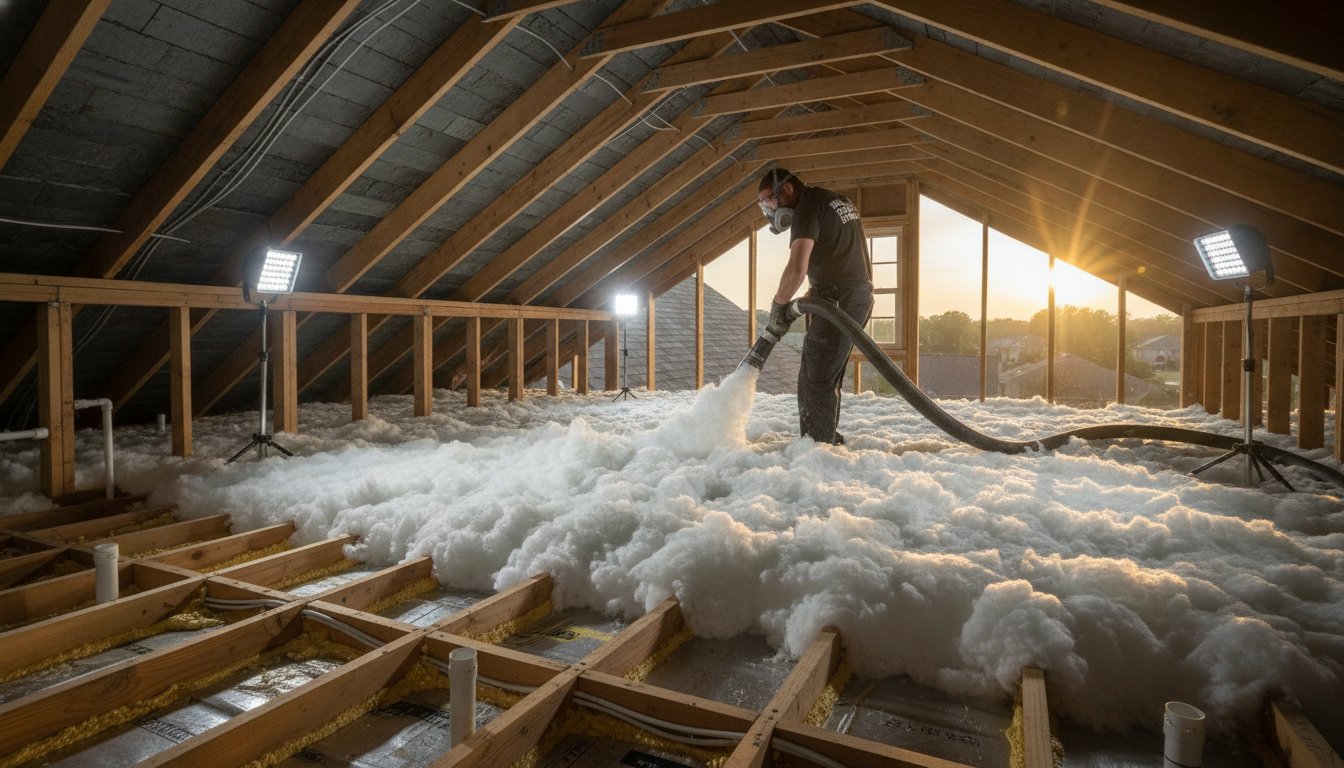
Choosing the right material is the foundation of effective home thermal envelope improvements. While some installers still lean on older methods, we've found that fiberglass blown-in insulation consistently outperforms other options in our local climate. This material allows us to achieve 100% gap-free coverage, ensuring that every corner of your attic is protected against heat transfer. Because it's installed as a loose-fill material, it flows into tight spaces and around joists with a level of precision that traditional batts simply can't match.
At Insulation Magic!, we prioritize this material because of its exceptional fire resistance and moisture management properties. Unlike other options that can trap dampness or provide a fuel source for flames, fiberglass is naturally non-combustible. It doesn't rot or decay, which means it won't lose its effectiveness even after years of exposure to the humidity we experience in Charlotte. This methodical choice of material is part of our commitment to your home's long-term protection and your family's peace of mind.
Fiberglass vs. Cellulose: A Homeowner’s Comparison
Many homeowners ask about cellulose, which is often marketed as an eco-friendly alternative. However, cellulose is essentially shredded paper treated with chemicals. Over time, it tends to settle and pack down, which significantly reduces its R-value and leaves your home vulnerable. Fiberglass maintains its thickness and performance for decades without this risk. It is also an inorganic material, meaning it doesn't provide a food source for pests and is naturally cleaner. In older Charlotte homes, the lighter weight of fiberglass is a major advantage; it provides the same thermal protection as cellulose without putting unnecessary stress on your ceiling drywall.
Our focus on cleanliness and safety is why we avoid the dust and debris associated with cellulose. We treat your property with the same care we'd give our own, and that starts with using materials that don't compromise your indoor air quality. If you're curious about how your current insulation measures up, you can schedule an attic assessment to see where your home stands.
The Case Against Spray Foam
When considering long-term home thermal envelope improvements, we often advise against the use of spray foam. While it is often touted as a high-tech solution, it can create a "sealed box" effect that prevents your home from breathing. We believe in a more balanced approach. By focusing on Air sealing before insulation, we can stop drafts at the source without permanently encasing your home's structural components in chemicals. This traditional method is safer, more reversible, and allows for easier future inspections or repairs. You can explore our full range of Insulation Magic! Services to see how we use these meticulous techniques to restore lasting comfort to your environment.

The Secret to Performance: Air Sealing Before Insulation
Think of insulation as a thick wool sweater. It keeps you warm in the winter, but if a cold wind blows, the air moves right through the fibers. This is exactly how heat moves through your home via convection. Air sealing is the practice of plugging holes in the building envelope to prevent conditioned air from escaping. Without this step, your new fiberglass blown-in insulation just acts as a giant filter for escaping air rather than a barrier. True home thermal envelope improvements require stopping the air movement first so the insulation can do its job of resisting heat flow.
To do this work correctly, we often perform an Attic Refresh. This involves removing old, contaminated insulation so our team can identify and seal every hidden gap with precision. It's impossible to seal a top plate or a wire penetration properly if it's buried under a foot of old dust and debris. By starting with a clean slate, we ensure your home thermal envelope improvements are built on a solid, airtight foundation. Once the leaks are sealed, we then install a fresh, thick layer of fiberglass blown-in insulation to provide the thermal resistance your home needs without the chemicals or breathability issues of spray foam.
Common Leak Points in the Attic
Many homeowners are surprised to learn how many "invisible" holes exist in their ceilings. Recessed "can" lights are major culprits; they often act as small chimneys that pull conditioned air from your living room directly into the attic. The attic hatch is another significant offender, as it is often the largest unsealed hole in the entire thermal envelope. In neighborhoods like Ballantyne and Weddington, many homes feature knee walls or bifurcated attic spaces. These architectural details create complex air leakage points that require a meticulous craftsman to identify and seal properly.
Crawlspace and Wall Air Sealing
The bottom of your home needs just as much attention as the top. Sealing penetrations in the crawlspace floor, such as where plumbing stacks and electrical wires enter the walls, stops that "cold feet" feeling during the winter months. This targeted approach protects your indoor air quality by preventing soil gases and moisture from being pulled into your living areas. For more detail on protecting these specific areas, you can read our guide on How to Retrofit Wall Insulation: A Meticulous Guide or explore our Crawlspace Insulation in Charlotte, NC: The Homeowner’s Buying Guide.
Ready to stop the leaks and start saving? Book your professional air sealing assessment today to see where your home is losing energy.
Professional Envelope Improvements in Charlotte, NC
Charlotte's unique position in Climate Zone 3A means your home faces intense humidity and swinging temperatures that demand a specific approach to efficiency. To meet the 2024 North Carolina State Building Code, ceilings in our area require a minimum insulation level of R-38. Achieving this isn't just about the quantity of material; it is about the quality of the installation. When you invest in home thermal envelope improvements, you need a meticulous craftsman who understands that a single missed gap can compromise the performance of the entire system. We take pride in treating every property with the same level of care we would apply to our own homes, ensuring your investment leads to lasting comfort.
A professional quote for this work should be transparent and comprehensive. If a contractor suggests simply blowing new material over your old, dusty insulation, they are skipping the most vital steps. A proper project includes the removal of old debris and a thorough air sealing process. As a patient educator, I believe in walking homeowners through their attic space before any work begins. This allows us to point out exactly where your energy is escaping and explain the "how" and "why" behind our methodical restoration process. This transparency builds a partnership based on trust rather than a simple transaction.
This commitment to professional partnership extends beyond home maintenance; for business owners in the region, you can explore Managed IT Services with Carolina IT Group to find a similar level of dedicated support for your company's technology needs.
Why a Local Specialist Matters
Homes in areas like Mint Hill and Matthews often feature historic construction methods that require specialized knowledge. These older structures have different framing patterns and ventilation needs than newer builds. A local expert also understands the specific challenges of our region, such as how our high humidity affects moisture levels in crawlspaces or which rodents are most likely to nest in organic materials like cellulose. By choosing a specialist who knows the Charlotte landscape, you ensure your home is protected against local threats. You can see how we have helped your neighbors by reading our Insulation Magic! Reviews.
Steps to Your Home Comfort Upgrade
The journey to a refreshed home begins with a detailed assessment. We don't just look at R-values; we identify the invisible leaks that are currently undermining your thermal envelope. Once we have a clear plan, the execution follows a disciplined sequence: clean removal of old materials, meticulous air sealing of every penetration, and the installation of high-performance fiberglass blown-in insulation. This clean, inorganic material ensures your attic stays fresh and effective for years. To begin your attic refresh, book your meticulous home assessment online and take the first step toward a healthier, more efficient environment.
Start Your Journey to a More Efficient Home
Mastering your home's boundary is about more than just adding layers; it's a methodical commitment to expert air sealing and high-performance insulation. By choosing clean, fiberglass blown-in solutions over dusty cellulose, you protect your ceiling from weight issues while ensuring your R-value stays consistent for decades. These home thermal envelope improvements stop energy leaks at their source, giving your HVAC system a much-needed break and lowering your monthly utility costs.
We proudly serve homeowners in Charlotte, Waxhaw, Matthews, and the surrounding areas with a focus on meticulous craftsmanship. Our team acts as patient educators, walking you through the "how" and "why" of your attic refresh to ensure you feel confident in the results. If you're tired of uneven temperatures and high bills, it's time to restore your home's integrity and peace of mind. For those looking to extend these improvements to other parts of their property, read more about the service areas covered by Elite Contractor Services for high-end remodeling.
A more comfortable, efficient home is within reach, and we're ready to help you achieve it. Let's work together to make your living space the sanctuary it was meant to be.
Frequently Asked Questions
What is the most cost-effective way to improve my home’s thermal envelope?
Combining professional air sealing with high-quality insulation is the most cost-effective strategy for homeowners. While many people believe that simply adding more material is sufficient, stopping air leaks first ensures your insulation can perform at its full potential. This dual approach provides the greatest return on investment by reducing HVAC strain. It is a vital part of home thermal envelope improvements that leads to immediate and lasting utility savings.
Can I just add new insulation on top of my old attic insulation?
We don't recommend adding new material over old insulation because it prevents us from accessing and sealing air leaks. To create a true thermal barrier, we need to reach the gaps around light fixtures and wall plates that are currently buried. Removing the old, dusty material ensures a cleaner environment and allows for a meticulous installation. Starting with a clean attic floor is the only way to guarantee 100% coverage.
Why does Insulation Magic! recommend fiberglass over cellulose?
We prioritize fiberglass blown-in insulation because it is a clean, inorganic material that won't settle or lose its effectiveness over time. Cellulose is made from shredded paper and can pack down, which reduces its R-value and leaves your home vulnerable. Fiberglass is also naturally fire-resistant and doesn't attract pests or mold. Choosing this superior material is a key step in home thermal envelope improvements that ensures your comfort lasts for decades.
How long does a professional thermal envelope improvement take?
A professional project typically takes one to two days depending on the size of your home and the scope of work. The first phase involves the careful removal of old materials and the detailed sealing of all air bypasses. The second phase is the installation of your fresh fiberglass insulation and a thorough final inspection. We work methodically to ensure the process is clean and causes minimal disruption to your daily routine.
Will air sealing help with the dust levels in my home?
Air sealing will significantly reduce the amount of dust and allergens that enter your living spaces from the attic. Most homeowners don't realize that fine particles often drift down through unsealed gaps around recessed lights and plumbing pipes. By plugging these holes, we stop the transfer of attic debris into your home. This process creates a healthier indoor environment and keeps your surfaces cleaner for much longer periods between dusting.
Is spray foam insulation necessary for a tight thermal envelope?
Spray foam isn't required to achieve an airtight and energy-efficient home. We've found that a combination of traditional air sealing and fiberglass blown-in insulation provides excellent results while allowing your home to maintain natural breathability. This approach is more reversible and avoids the use of heavy chemicals in your living environment. You can achieve a high-performance thermal shell through meticulous craftsmanship without the risks or costs associated with spray foam applications.
Disclaimer
This blog is intended to provide general information about insulation, energy efficiency, and home comfort based on years of experience. While we strive to keep content accurate and up to date, results may vary based on your home's construction, condition, and climate. Contact Insulation Magic for a personalized assessment and recommendations.


