
The Impact of Garage Insulation on Charlotte Home Comfort
Most Charlotte homeowners think of their garage as a separate, detached part of their home's ecosystem. In reality, it’s a massive unconditioned space directly influencing your home's comfort and energy bills. Garage insulation is the thermal barrier that stands between your climate-controlled living space and the sweltering North Carolina outdoors. Without it, your garage acts less like a protective buffer and more like a giant radiator attached to your house.
This effect is especially pronounced given Charlotte's unique climate challenges. With summer temperatures regularly soaring into the 90s and humidity that clings long after sunset, an uninsulated garage can reach extreme temperatures. This heat doesn't just stay in the garage; it radiates through walls, ceilings, and floors, forcing your HVAC system to work overtime. By installing a proper thermal barrier, you not only reclaim the garage as a usable space but also protect your entire home, lowering energy costs and protecting valuables like vehicles, tools, and stored belongings from damaging heat and humidity.
Why Charlotte Summers Make Garage Insulation a Smart Investment
During a typical Charlotte summer, the sun beats down on your roof and garage door, transferring an enormous amount of radiant heat inside. This creates an "oven effect," where the trapped air in your garage can become significantly hotter than the air outside. This intense heat then moves through the shared walls and ceiling into your home, a process known as thermal bridging, which is common in standard North Carolina home construction. A thermal bridge is essentially a pathway of least resistance for heat, allowing it to bypass your home's existing insulation through the framing of the house. Insulating the garage is one of the most effective ways to break this bridge and stop the unwanted heat transfer at its source.
The Connection Between Your Garage and Your Utility Bill
That sweltering heat in your garage inevitably seeps through the shared walls into your living room, kitchen, or the bonus room directly above. This forces your air conditioner to run longer and harder just to maintain the temperature you’ve set on the thermostat. The strain is immense, leading to higher wear and tear on your HVAC unit and, more immediately, a noticeable spike in your monthly cooling costs.
By properly insulating and air sealing your garage, you create a stable buffer zone. This significantly reduces the amount of heat infiltrating your home, allowing your AC to operate more efficiently. Homeowners who invest in garage insulation in Charlotte, NC, often see a meaningful reduction in their summer utility bills, making it an upgrade that pays for itself over time.
Evaluating Insulation Materials: Why We Prioritize Safety and Performance
At Insulation Magic, our approach is guided by a "Meticulous Craftsman" philosophy. We believe in using high-quality, proven materials that offer the best long-term value and safety for your family. That's why we specialize in solutions that don't involve spray foam. For residential garage applications, fiberglass and cellulose insulation provide an exceptional combination of thermal performance, fire safety, and sound dampening without the potential drawbacks of chemical-based foams.
We carefully select materials with high fire-safety ratings, which is especially critical in a garage where flammable materials may be stored. Our commitment is to install solutions that are not only effective today but will continue to protect your home and family for decades to come, ensuring your investment is both safe and durable.
The Fiberglass Advantage
When it comes to garage insulation, fiberglass is our material of choice for its versatility, moisture resistance, and excellent performance. For garage ceilings, especially those beneath a bonus room, blown-in fiberglass insulation is a superior solution. It fills every nook and cranny around joists and wiring, creating a seamless thermal blanket with a high R-value that effectively stops heat from rising into the living space above.
For garage walls, fiberglass batts are an ideal fit. They are cut to friction-fit perfectly between wall studs, providing excellent thermal resistance. Beyond temperature control, fiberglass batts are fantastic for sound dampening, which is a significant benefit if your garage doubles as a workshop or gym. Modern fiberglass insulation is also made with a high percentage of recycled content, making it a responsible choice for the environment.
Why We Avoid Spray Foam in Your Home
While some companies promote spray foam as a cure-all, we choose to avoid it for several important reasons. The primary concern is the potential for chemical off-gassing, which can impact your home's indoor air quality. The installation process itself requires a delicate chemical reaction, and if not performed perfectly, it can lead to lingering odors and health concerns.
Furthermore, the permanent, glue-like nature of closed-cell spray foam is a significant drawback. It can make future electrical or plumbing repairs difficult and, more critically, can trap moisture and hide roof leaks until significant structural damage has occurred. We believe that traditional, breathable materials like fiberglass offer a safer, more serviceable, and equally effective solution for creating a comfortable and healthy home environment.
Beyond the Batts: The Critical Role of Air Sealing
Many people believe that simply adding insulation is enough to solve their temperature problems. However, insulation’s primary job is to slow the transfer of heat, not to stop the movement of air. Air sealing is the essential first step of closing the hundreds of tiny, invisible leaks in your garage's structure. Without it, even the best insulation can't perform at its peak.
Think of it like wearing a wool sweater on a windy day. The sweater is your insulation, but the wind (air leakage) cuts right through it. Air sealing is like adding a windbreaker jacket—it stops the drafts and allows the insulation to do its job. In a garage, common leak points include gaps around plumbing pipes, wiring penetrations, the top plates of walls, and unsealed electrical boxes. A professional insulation service always begins with meticulous air sealing.
Stopping the "Invisible Leaks" in Your Garage
Hot air naturally rises. In a two-story home, the "stack effect" can actively pull super-heated air from your garage up through wall cavities and into your attic, contributing to an uncomfortably hot second floor. Meticulous air sealing of these pathways short-circuits this process, creating a complete "thermal envelope" that separates your conditioned living space from the unconditioned garage and attic.
An air sealing checklist for a Charlotte garage typically includes:
- Sealing the top plates where the wall framing meets the ceiling.
- Foaming gaps around all plumbing, electrical, and HVAC penetrations.
- Caulking the seam between the garage slab and the drywall.
- Weather-stripping the door leading into the house.
The Synergy of Air Sealing and Insulation
Air sealing and insulation work together as a complete system. By stopping air leaks first, you protect your new insulation from the moisture-laden, humid air common in Charlotte. This prevents the conditions that can lead to mold and degradation of the insulation material over time. This powerful combination is what finally eliminates that "drafty house" feeling, especially in rooms adjacent to or above the garage.
In fact, for the return on investment, air sealing is often the single most cost-effective energy upgrade a homeowner can make. It's the foundational step that ensures every dollar you spend on insulation delivers the maximum possible benefit in comfort and energy savings.

Managing Humidity and R-Values in the North Carolina Climate
Charlotte sits in a region designated as Climate Zone 3 or 4, which has specific requirements for insulation performance. This is further complicated by North Carolina's signature humidity, which plays a major role in how we design an effective insulation system. It’s not just about stopping heat; it’s about managing moisture to prevent mold and protect your home's structural integrity. This requires a nuanced approach to R-values, vapor barriers, and ventilation.
Understanding R-Values for Charlotte Homes
R-value measures an insulation material's resistance to heat flow—the higher the R-value, the better it insulates. However, "more" isn't always "better." The goal is to meet or exceed the recommended R-values for our climate zone without over-stuffing wall cavities, which can compress the insulation and paradoxically reduce its effectiveness.
For a garage in Charlotte, we generally recommend:
- Garage Ceilings (under a living space): R-30 to R-38. This is crucial for protecting bonus rooms from extreme temperature swings.
- Garage Walls (shared with the house): R-13 to R-15. This creates a strong thermal break between the garage and your interior rooms.
- Exterior-Facing Garage Walls: R-13. While not as critical as the shared walls, insulating these helps stabilize the overall garage temperature.
A professional assessment will determine the right R-value for your specific situation, ensuring you get the best performance for your investment without paying for unnecessary material.
Moisture Control and Vapor Barriers
In a humid climate like Charlotte's, moisture can move through building materials in both directions—from the outside in during a humid summer day, and from the inside out during a cold winter day. This is why the "vapor barrier debate" is so important. An improperly installed vapor barrier (like a plastic sheet) can trap moisture inside a wall cavity, leading to mold, rot, and structural damage.
For most applications in our mixed-humid climate, the best practice is to create a "breathable" wall assembly that allows moisture to dry out. We typically recommend using a latex-painted drywall as the primary vapor retarder, paired with an air-permeable insulation like fiberglass. This approach effectively manages moisture without the risks associated with trapping it, ensuring a healthy, durable, and high-performing thermal envelope for your garage.
Planning Your Garage Insulation Project: Steps to Success
A successful garage insulation project is about more than just materials; it's about a meticulous, well-executed process. From the initial assessment to the final cleanup, every step is designed to ensure maximum performance, durability, and a stress-free experience for you, the homeowner. Understanding this process helps you know what to expect and how to choose the right partner for the job.
What to Expect During Installation
Our process reflects our "Meticulous Craftsman" commitment. Here’s what a typical project looks like:
- Thorough Assessment: We start with a detailed inspection to identify air leakage points, assess existing conditions, and determine the precise R-value needed for your home.
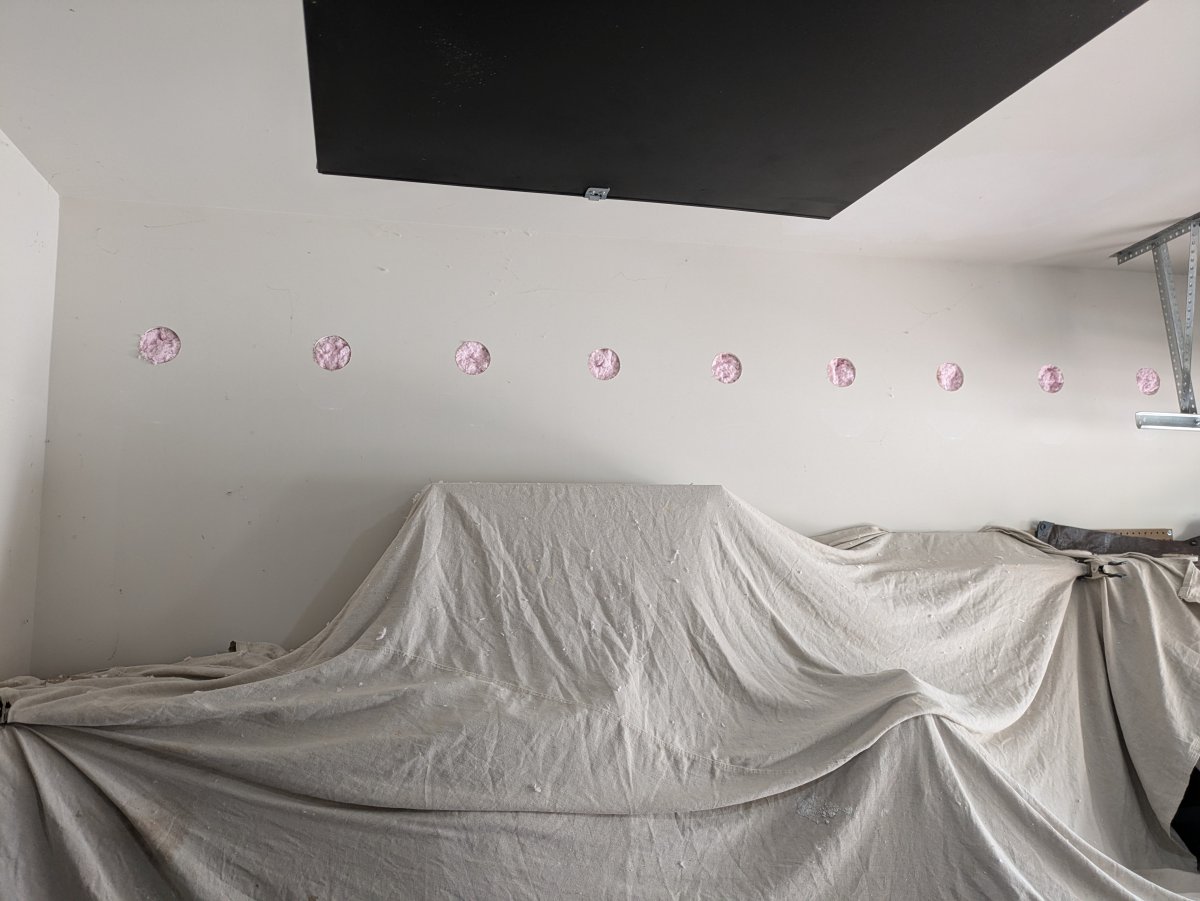
- Preparation: Before any work begins, our team carefully protects your garage floor, vehicles, and any stored belongings with plastic sheeting and drop cloths.
- Air Sealing: We meticulously seal all the gaps and cracks in the garage's framework to create an airtight foundation for the insulation.
- Installation: Our technicians expertly install fiberglass batts in the walls and/or blow in fiberglass insulation into the ceiling, ensuring complete coverage without compression.
- Cleanup and Final Inspection: We pride ourselves on leaving your space cleaner than we found it. After a thorough cleanup, we perform a final inspection to ensure the thermal envelope is complete and our work meets the highest standards.
Choosing a Trusted Charlotte Partner
Choosing the right contractor is the most important decision you'll make. You're not just buying a product; you're investing in a team's expertise and integrity. Before hiring anyone, we encourage you to check verified local reviews and see what other homeowners in the Charlotte area have experienced.
When you speak with a pro, be sure to ask these three questions:
- Do you perform air sealing before you insulate?
- What materials do you recommend for our climate, and why do you avoid spray foam?
- Are you licensed and insured for work in North Carolina?
Working with a dedicated, local owner-operator like Chris at Insulation Magic ensures you get personalized service and a commitment to quality that larger, impersonal companies can't match. If you’re ready to make your garage—and your entire home—more comfortable and energy-efficient, we invite you to take the next step.
Schedule your free, no-obligation garage insulation assessment today and discover the difference a meticulous approach can make.
Frequently Asked Questions About Garage Insulation
Is it worth insulating a garage that is not heated or cooled?
Absolutely. Even in an unconditioned garage, insulation creates a crucial thermal buffer. It stops extreme outdoor heat from penetrating your home through shared walls and ceilings, which lowers the workload on your HVAC system and reduces your energy bills. It also makes the garage a more temperate, usable space for storage, hobbies, or a workshop.
Do I need to insulate the garage door as well?
Yes, for the best results. A large, uninsulated metal garage door can be a major source of radiant heat gain in the summer and heat loss in the winter. Insulating the door panels completes the thermal envelope of the garage. While we focus on walls and ceilings, we can recommend solutions or coordinate with specialists to ensure your door is addressed as part of a complete project.
How much does it cost to insulate a 2-car garage in Charlotte?
The cost can vary based on several factors, including the size of the garage, whether we are insulating walls and/or the ceiling, the R-value required, and the extent of air sealing needed. As a rough estimate, a professional project in the Charlotte area can range from $1,500 to $3,500+. The best way to get an accurate figure is to schedule a free assessment, which provides a detailed, transparent quote with no hidden fees.
Can I use spray foam for my garage insulation?
While you can, we strongly advise against it for residential spaces. We prioritize materials like fiberglass that do not pose risks of chemical off-gassing or indoor air quality issues. Fiberglass also allows the home's structure to "breathe" and does not hide potential moisture or leak issues, making it a safer and more serviceable long-term choice for your family.
Will garage insulation help reduce noise from the street?
Yes, significantly. Fiberglass insulation has excellent sound-dampening properties. Insulating your garage walls and ceiling will noticeably reduce the amount of noise from traffic, neighbors, and lawn equipment, creating a quieter environment both in the garage and inside your home.
How long does the garage insulation process take?
A typical garage insulation and air sealing project is completed efficiently, usually within one to two days. Our team works methodically to minimize disruption to your daily routine, ensuring a clean and professional installation from start to finish.
What is the best R-value for a garage in North Carolina?
For Charlotte (Climate Zone 3/4), we recommend an R-value of R-13 to R-15 for walls and a more robust R-30 to R-38 for ceilings, especially if there is a living space above the garage. These levels provide an excellent thermal barrier for our specific climate.
Does garage insulation increase my home value in Charlotte?
Yes. Garage insulation is a highly desirable feature for potential homebuyers. It signals a well-maintained and energy-efficient home, which can increase its marketability and overall value. The immediate benefit of lower utility bills and improved comfort also provides a strong return on your investment long before you decide to sell.
Disclaimer
This blog is intended to provide general information about insulation, energy efficiency, and home comfort based on years of experience. While we strive to keep content accurate and up to date, results may vary based on your home's construction, condition, and climate. Contact Insulation Magic for a personalized assessment and recommendations.


